
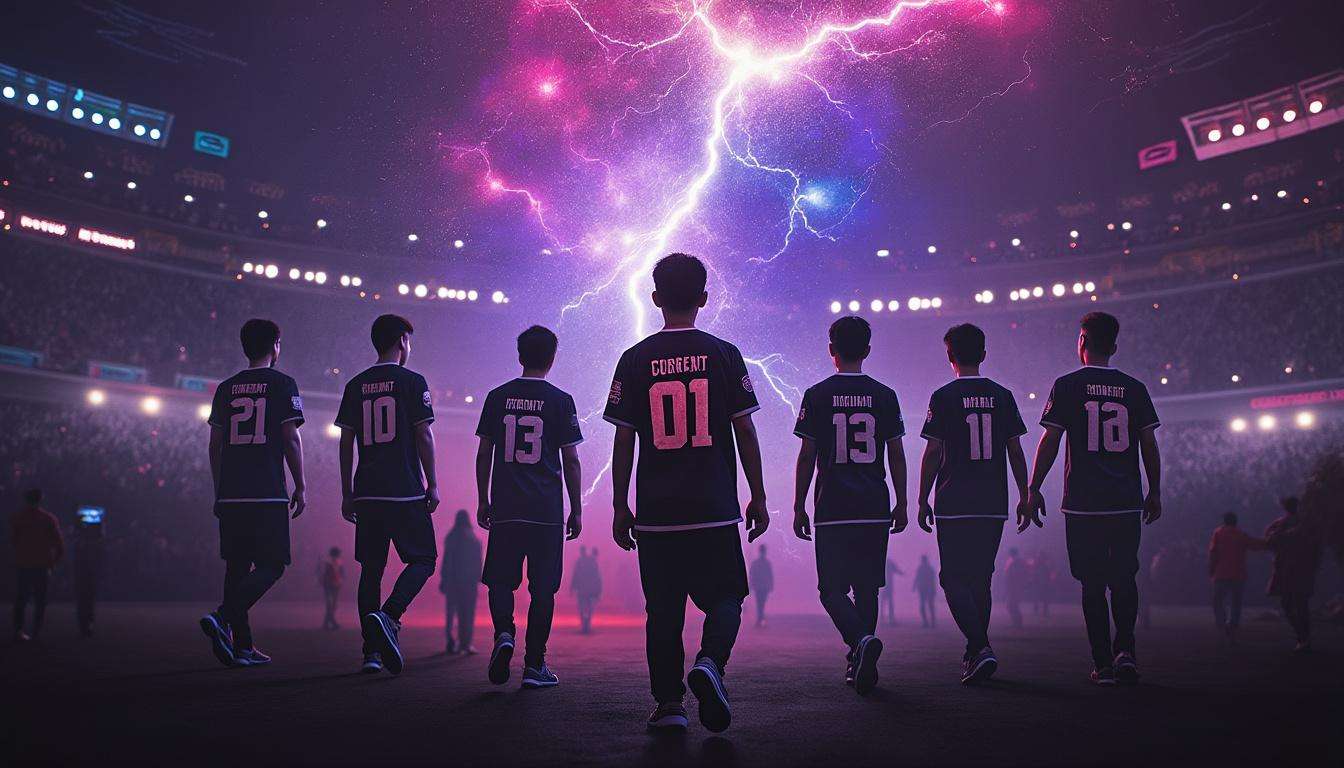
Royal Never Give Up leaving League of Legends marks the end of one of the strongest dynasties in LoL esports history, with a legacy built on titles, iconic players, and a loyal fanbase.
Royal Never Give Up Leaves League of Legends Esports
Royal Never Give Up has exited League of Legends and stepped away from professional LoL competition after more than a decade on stage. The Chinese organisation, known globally as RNG, spent years at the top of competitive gaming and shaped how teams approached teamfights, macro play, and fan engagement.
The departure follows a long decline in results, financial pressure, and legal issues around the organisation. RNG’s exit closes a chapter where the team stood as one of the main faces of the LPL and international esports.
How RNG Built A League Of Legends Legacy
At its peak, Royal Never Give Up defined success in League of Legends esports. The team dominated regional play in the LPL and repeatedly reached international stages where only the best LoL lineups stood. RNG became a brand new fans associated with aggressive bot lanes, coordinated skirmishes, and disciplined macro.
Across regional and international tournaments the organisation earned more than four million dollars in prize money, while also securing a place among the most decorated LoL squads. This made every RNG match a central story in global esports news.
RNG’s Biggest League Of Legends Achievements
The exit of RNG from League of Legends hits hard because the team built a track record few organisations reached. For many viewers, RNG matches were the first contact with professional gaming and the LPL.
These achievements show why the departure feels like the end of an era in competitive gaming.
MSI Dominance And LPL Titles
Royal Never Give Up holds a unique place in LoL history as the only organisation to win the Mid-Season Invitational three times. RNG lifted MSI trophies in 2018, 2021, and 2022, turning mid-season tournaments into their own territory. These victories set a standard for how teams prepare for international metas after regional splits.
On home soil, RNG also claimed five LPL titles across different eras and rosters. Each title run showed new styles, from Uzi’s hyper-aggressive bot lane focus to more balanced lineups that focused on mid and jungle pressure. This consistent success cemented RNG as a reference point whenever LPL strength was discussed.
Uzi And The Rise Of RNG Stars
One of the biggest parts of the RNG story is the development of star players. The most famous name linked to Royal Never Give Up is Uzi, the legendary AD Carry whose mechanical skill and laning pressure drew fans from around the world.
Uzi’s time in RNG jerseys turned many regular viewers into long-term LoL followers. The organisation helped shape his career, but also supported other standout talents in solo lanes and the jungle who became regulars in international conversations about top-tier esports players.
Why Royal Never Give Up Quit League Of Legends
Despite its success, Royal Never Give Up faced increasing problems behind the scenes. Poor results, growing financial stress, and legal disputes created pressure that affected both the main lineup and the academy project.
Once these issues stacked together, leaving League of Legends looked less like a shock and more like a delayed decision that fans had feared for months.
From Contender To Struggler In LPL
The last years of RNG in the LPL were tough. After years at the top, Royal Never Give Up began to slide down the standings, missing deep playoff runs and losing key matches against newer, hungrier lineups. The gap between the organisation’s name value and its results kept growing.
The breaking point came when RNG finished last in the LPL Summer Split, falling so low in the table that they were relegated to the LDL. At the same time, the academy team, Royal Club, ended a split with a 0-11 record. For a brand built on winning, this situation showed how far the team had fallen in the LoL hierarchy.
Financial And Legal Troubles Around RNG
Performance was only one part of the problem. Reports from outlets such as Sheep Esports described serious financial and legal trouble around Royal Never Give Up. Disputes around payments and management decisions created a complex environment behind the screens.
Operating at the top of esports requires strong sponsors, stable ownership, and trust from players. When legal issues and financial pressure increase, roster building, player transfer plans, and support staff projects all suffer. RNG’s withdrawal from LoL and the LPL followed months where every new story pointed toward a difficult internal situation.
Impact On LPL, LoL Esports, And Fans
The departure of Royal Never Give Up changes the shape of the LPL and international League of Legends esports. For a league built around the rivalry of historic teams and new challengers, losing RNG removes one of the main narrative pillars.
Fans, other organisations, and players now face a scene where a long-term reference point is gone, creating space for new dynasties but also leaving a clear emotional gap.
What RNG’s Exit Means For LPL Competitive Gaming
The LPL often stood out in global competitive gaming because of its depth of strong teams and the constant threat of upsets. With RNG out, other organisations must fill both competitive and symbolic roles. Longtime rivals now lose one of their classic opponents on stage.
This shift changes how team split stories develop. Instead of “How will RNG bounce back this split”, fans will follow which organisation takes over the MSI specialist identity and which roster adopts the playstyle that RNG used to represent.
How Fans Follow League Of Legends Esports After RNG
For many supporters, RNG was their first favourite LoL team. The mix of big-stage performances, strong branding, and famous players made the organisation a starting point for learning about drafts, meta shifts, and regional differences.
With RNG out, some fans turn to other LPL powerhouses, while others widen their view of global LoL. Guides such as this breakdown of the world of League of Legends esports help newer viewers understand how different regions and organisations interact in the post-RNG era.
RNG, Player Transfers, And The Future Of Its Talent
The end of Royal Never Give Up in League of Legends does not mean the end of its players’ careers. For pros used to the pressure of MSI stages and LPL playoffs, the next step often involves player transfer deals with other teams looking for experience and leadership.
This phase can reshape multiple rosters at once, as organisations move quickly to sign parts of the former RNG core.
How RNG Players Fit Into New Teams
Former RNG members hold high value on the transfer market. Players who handled MSI pressure, LPL finals, and meta shifts bring strong game knowledge and mental resilience. When they join other rosters, they often raise practice standards and improve in-game communication from day one.
For teams rebuilding after a weak team split, signing an ex-RNG veteran provides structure. Younger players benefit directly from scrim habits, champion pool planning, and stage preparation methods learned during years with Royal Never Give Up.
Learning From RNG’s Strategic Approach
RNG’s approach to macro and teamfight setups influenced more than one generation of LoL players. Their classic style involved playing around bot lane priority, coordinated jungle pathing, and strong objective control around dragons and barons.
Fans who want to understand these concepts better can look at educational content and official updates, such as this overview of new League of Legends emotes for LCK and LPL teams, which also highlights the importance of branding and regional identity in esports.
What RNG’s Story Teaches Competitive Gaming Fans
The rise and fall of Royal Never Give Up offers lessons for teams, players, and viewers who follow competitive gaming closely. RNG showed how strong infrastructure and talent development lead to trophies, but also how mismanagement and financial stress can undo a dynasty.
For fans like Alex, a fictional viewer who discovered LoL during RNG’s MSI 2018 run, this story mirrors the growth of the whole scene from niche interest to global spectacle.
Key Takeaways From The Royal Never Give Up Era
Looking back at the RNG era in League of Legends esports, several clear lessons appear that apply not only to LoL but to gaming and strategy titles in general.
- Strong identity wins fans: RNG built a clear playstyle and brand, which made their matches easy to follow and remember.
- Development paths matter: nurturing talents like Uzi showed how important academy systems and long-term planning are in esports.
- Management can make or break teams: legal disputes and financial issues highlight how weak structure hurts results, no matter how strong the roster looks.
- Adaptation is constant: the LoL meta shifts rapidly, and RNG succeeded most when they adapted faster than rivals.
- Knowledge transfers across games: principles from RNG’s macro and decision-making also apply in other titles, similar to strategic thinking in guides like this Clash Royale strategy article.
These points show how watching teams like RNG closely helps viewers understand deeper layers of strategy and structure behind every LoL match.
Staying Connected To League Of Legends After RNG
Even without Royal Never Give Up in the league, League of Legends remains one of the central titles in global esports. New lineups step into the space RNG left, and each season introduces storylines that keep fans engaged from spring to summer splits and international events.
Keeping up with schedules, roster changes, and meta shifts helps fill the hole left by RNG and keeps the experience of watching competitive gaming fresh and exciting.
Where To Follow League Of Legends Esports News
Fans who followed RNG can stay close to the scene by tracking official broadcasts, regional league channels, and independent sites that cover esports news and analysis. Content that breaks down strategies, drafts, and pro habits helps bridge the gap between watching and understanding.
For a broad overview of how LoL fits into the wider world of gaming and professional play, resources such as this look at the thrilling world of League of Legends esports give context to every split and every international tournament.