

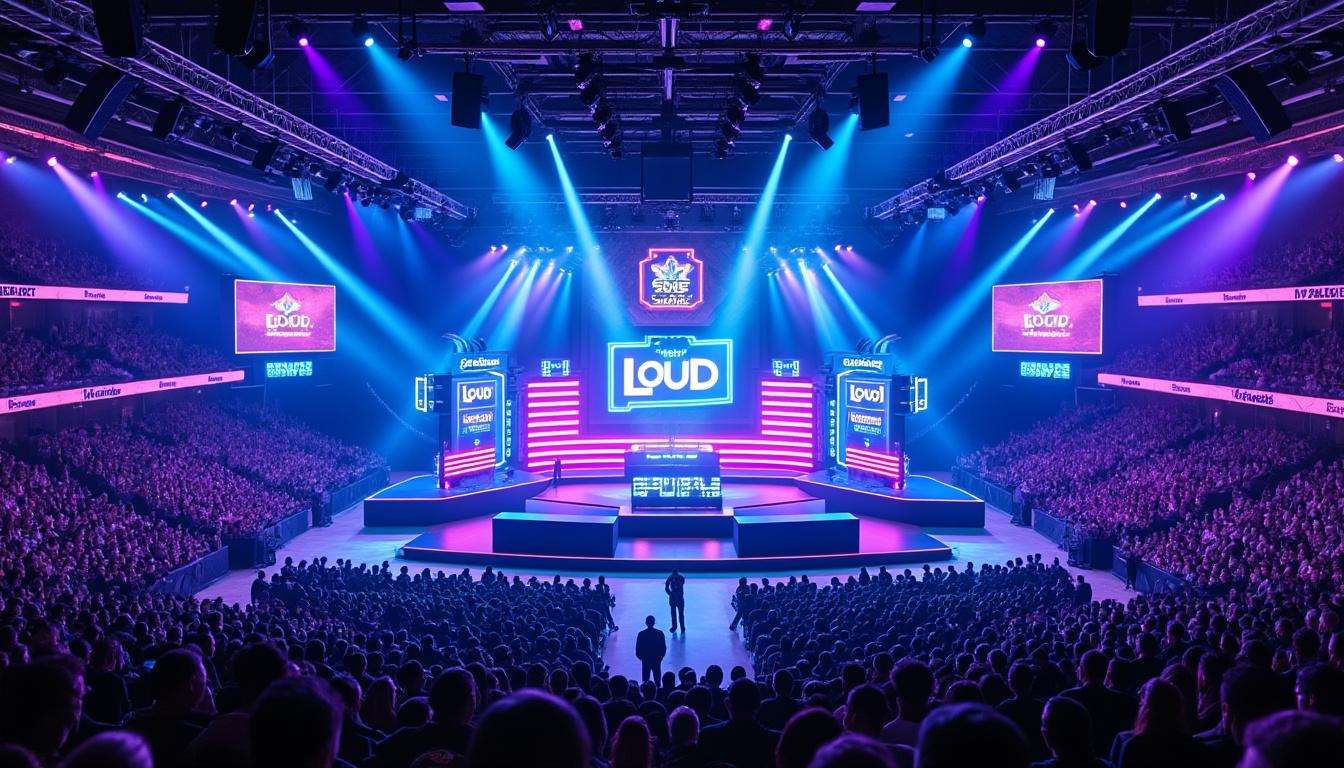
LOUD enters this international debut showdown with the clear goal to outperform the LCS and prove Brazil belongs at the top tier of global esports competition.
LOUD Debut Showdown And The Goal To Outperform The LCS
The narrative around Brazilian League of Legends shifted after the first Americas Cup. FURIA’s aggressive style exposed LCS teams and showed North America is no longer untouchable in international tournaments. That performance set the stage for LOUD’s debut showdown at First Stand.
As Split 1 champion, LOUD enters this event with belief instead of empty bravado. The team wants to outperform the LCS by outplaying LYON, the LCS Split 1 winner, on Brazilian soil. The matchup at Riot Games Arena in São Paulo turns a regional rivalry into a direct test of level.
The goal is simple and precise. LOUD does not aim to beat LCK or LPL here. The target is clear: finish above the LCS in this international League of Legends tournament and prove CBLOL sits beside North America, not below it.
From CBLOL Climb To LOUD’s First Stand Debut
LOUD’s path to this debut showdown was rough. Support player Ygor “RedBert” Freitas, one of the most experienced figures in the region, described the split as a long climb. Two days before the upper bracket final, the mid laner stepped away, forcing the team to adjust on the fly.
Despite the chaos, the roster stabilized and powered through CBLOL Split 1. LOUD turned close games into wins thanks to strong late-game team fights and sharp decision-making under pressure. Many matches started with deficits in gold and map control, yet the squad stayed calm and pulled comebacks on stage.
This climb matters for their First Stand debut. It built a core identity around resilience and composure, something LCS teams often struggle to maintain when the game slips out of control. That identity is the backbone of LOUD’s attempt to outperform LCS opposition.
Those comeback clips show why international fans now watch LOUD not as a minor region representative but as a dangerous team in any high-stakes gaming competition.
CBLOL Progress And Why LOUD Targets The LCS
For years, the global view of CBLOL followed a pattern. On home turf, Brazilian League of Legends delivered hype, emotion and high-tempo plays. On the global stage, the results fell short. Only INTZ in 2016 and paIN Gaming in 2024 escaped the Play-In gauntlet at Worlds.
That track record fed a narrative that Brazil stayed stuck while top regions left them behind. Many fans complained every season about the league “getting worse,” using international exits as proof. Players inside the scene saw something different. Match quality rose inside CBLOL, but so did the level of LCK and LPL, which made raw progress hard to see from the outside.
The turning point came with the Americas Cup. Frequent cross-region clashes gave CBLOL a precise yardstick against North America. For the first time, Brazilian squads did not only compete with LCS teams. In specific phases of the game, they outclassed them. That shift turned the LCS into a realistic benchmark and direct rival.
From LTA South Back To CBLOL Identity
Journalist FalaDory, embedded in Brazilian League of Legends, highlighted how branding changes affected the region. When the league rebranded to LTA South in 2025, a big part of the community felt the national identity fade. The CBLOL name carried history, memes, rivalries and pride built over a decade.
The return to the CBLOL brand restored that sense of belonging. At the same time, the LTA format offered frequent matches against LCS squads, which translated directly into higher game quality. Brazilian rosters studied North American macro habits, punished weaknesses and adapted their drafting approach.
Coaches like Christopher “SeeEl” Lee at Vivo Keyd Stars also brought long-term structure. With a five-year development plan, he focused on disciplined practice, review culture and talent growth. Those influences raised practice standards for the entire league and set the stage for LOUD’s current level.
This cross-regional grind is exactly what feeds LOUD’s confidence going into the debut showdown with LYON.
The Swagger Of Brazilian Esports And LOUD’s Style
Brazilian esports lives off emotion. The iconic moment of FURIA jungler Pedro “Tatu” Seixas standing up mid-game, beating his chest and hyping the São Paulo crowd during the Americas Cup became instant regional history. It was not about taunting opponents. It expressed belief and connection with fans.
Freitas described this as typical Brazilian attitude. Players show joy, passion and trash talk in regional play, where fans attach to personalities as much as results. When international events do not reach title level, domestic rivalry keeps the scene entertaining and alive.
FURIA played with what Sentinels analyst Mervin-Angelo “Dayos” Lachica called swagger. They trusted their read on the meta and did not fear trading aggressively or forcing fights. That same mindset now appears in younger talent entering LOUD and other CBLOL teams.
LOUD Resilience Versus FURIA Aggression
FURIA’s Americas Cup run showed a pure aggression style that broke LCS habits. They invaded early, forced skirmishes and kept tempo high. LOUD leans in a different direction. The team accepts early setbacks and leans on strong mid to late-game team fights.
Freitas pointed out how often LOUD won games after falling behind. Good target selection and front-to-back coordination in 5v5s allowed them to flip games that looked lost on paper. That mix of resilience and clear win conditions gives LOUD a more stable profile for long tournaments.
This contrast inside Brazil is part of why the region now pushes the LCS. North American squads struggle when they have to prepare for multiple distinct regional styles. LOUD’s composure and late-game focus make them tough to close out, especially in a loud arena on foreign soil for their opponents.
The swagger image from FURIA built the emotional stage, and LOUD tries to convert that energy into consistent tournament performance.
New Brazilian Talent Fueling LOUD’s Debut
The current CBLOL surge is not only about imports and coaching staff. A new wave of domestic players raised the region’s ceiling. Brazilian pros grew up watching international events on streaming platforms and scrimming cross-region on high ping, then translated those habits into structured training.
FalaDory pointed to young names such as FURIA’s Seixas and LOUD’s Carlos Felipe “xyno” Ferreira as examples of this renewal. Coaches inside CBLOL already describe xyno as one of the most promising talents in the region, with strong mechanics and fast adaptation to meta shifts.
This new generation shortens the gap between CBLOL and LCS in raw individual level. When those players receive long-term guidance from strategic coaching, the combination produces rosters that can go even in lane and outplay in skirmishes.
How LOUD Builds Around Its Roster
LOUD’s staff reframed Split 1 as an extended training block. At the very start of the season, coaches told players the first split would function as an off-season on stage. The focus stayed on growth instead of raw standings, which removed pressure while refining synergy.
The surprising part is that this development-first approach still brought a title. With stress lowered, players did not panic on stage. They took creative fights, experimented with drafts and learned from mistakes in real matches.
For LOUD’s debut showdown against LCS champion LYON, this philosophy means they approach the match like another step in a long arc. They want a strong showing and a clear message about CBLOL level, not a one-off fluke upset. That mindset supports long-term international relevance.
These internal processes make LOUD a structured threat, not only a hype-driven Brazilian team.
Home Crowd Advantage In The LOUD vs LCS Showdown
Most Brazilian international runs in League of Legends happened on foreign stages. Playing First Stand at home flips that script. For the debut showdown versus LYON, LOUD holds the arena energy entirely on its side.
Freitas admitted earlier in his career he liked the travel experience of events abroad. Over time, he started to value something else. Hosting LCS teams in São Paulo turns the arena into a wall of sound against visiting squads. Every kill, tower and Baron for LOUD triggers a roar that shakes headsets.
From the LCS perspective, this changes pressure. North American players walk on stage as defending regional champions but feel like villains in someone else’s story. For LOUD, the message is simple. As Freitas framed it, opponents walk into Brazil’s house, and the noise hits them full force.
Psychology Of Playing LYON On Brazilian Soil
In modern gaming competition, mental strength separates close teams. BO1 or BO3 sets often swing on one failed engage or a single Baron throw. When a home crowd amplifies every mistake, it becomes even harder for visiting teams to reset mentally.
LOUD uses that home advantage in a clear way. Slow early game plans keep the crowd on edge, then explosive mid-game fights release the pressure. Each comeback spike refuels their confidence while draining the visitors. For LYON, adapting to this dynamic in their first match on stage is a serious challenge.
For viewers, this creates the exact atmosphere expected from a debut showdown. The match is not only about draft and mechanics. It becomes a test of who handles the noise, expectations and regional narrative better.
Home advantage turns the LOUD vs LCS duel into a stress test of preparation and mentality.
Why Outperforming The LCS Matters For LOUD And CBLOL
Beating LYON at First Stand is more than one win for LOUD. It reframes the broader storyline between CBLOL and LCS. For years, North America treated Brazil as a stepping stone on the international path. The Americas Cup and current CBLOL strength now question that hierarchy.
Sentinels mid laner Greyson “GoldenGlue” Gilmer even stated FURIA would rank around top four in North America based on current level and style. Comments like this validate what Brazilian fans and analysts have observed since LTA Split 1. The gap shrunk, and in some areas, Brazil overtakes NA.
For LOUD, outperforming the LCS in this tournament sends a strong signal to sponsors, new players and regional staff. It tells everyone inside Brazilian esports that long-term projects and infrastructure investments pay off, and that CBLOL is no longer a minor region in practice.
Realistic Expectations For LOUD’s Tournament Run
Freitas keeps expectations grounded. He does not speak about titles against Korean or Chinese powerhouses. Instead, he defines success as follows. First, have a strong match against LYON and aim for a clear, clean win. Second, deliver competitive games versus giants like Gen.G or JDG in the next rounds.
This focus on realistic goals reflects awareness of Brazil’s historical struggles at international events. The team wants to show CBLOL is better than the LCS today and closer to the top regions tomorrow. That step-by-step growth matters more than one miracle run.
If LOUD reaches that standard, the debut showdown will mark a milestone. 2026 would then be seen as the year CBLOL stopped hoping for “honorable losses” and started expecting level games against North America on a regular basis.
Key Factors In LOUD’s Debut Showdown Vs LCS Champion LYON
Several concrete elements will decide whether LOUD manages to outperform the LCS at First Stand. Each one connects to habits built over the last seasons in CBLOL and the Americas Cup.
For fans tracking the matchup closely, these aspects give a clear viewing guide. They show where LOUD holds advantages and where LYON might punish mistakes developed inside a more structured LCS environment.
- Draft identity: LOUD needs clear team fight win conditions and comfort picks for xyno and RedBert to match LYON’s structured drafts.
- Early game discipline: Avoiding heavy early deficits limits LCS snowball windows and lets LOUD reach its strong mid-game setups.
- Team fight execution: Clean target focus and engage timing decide whether LOUD converts arena energy into real objective control.
- Mental resilience: If a play goes wrong, LOUD must reset faster than LYON, using the crowd as support instead of pressure.
- Preparation vs LCS habits: Studying LYON’s pathing, vision patterns and late-game setups gives LOUD edges in neutral objective fights.
If LOUD hits most of these points, the goal to outperform the LCS in this opening tournament stops being a slogan and becomes a clear competitive statement.