

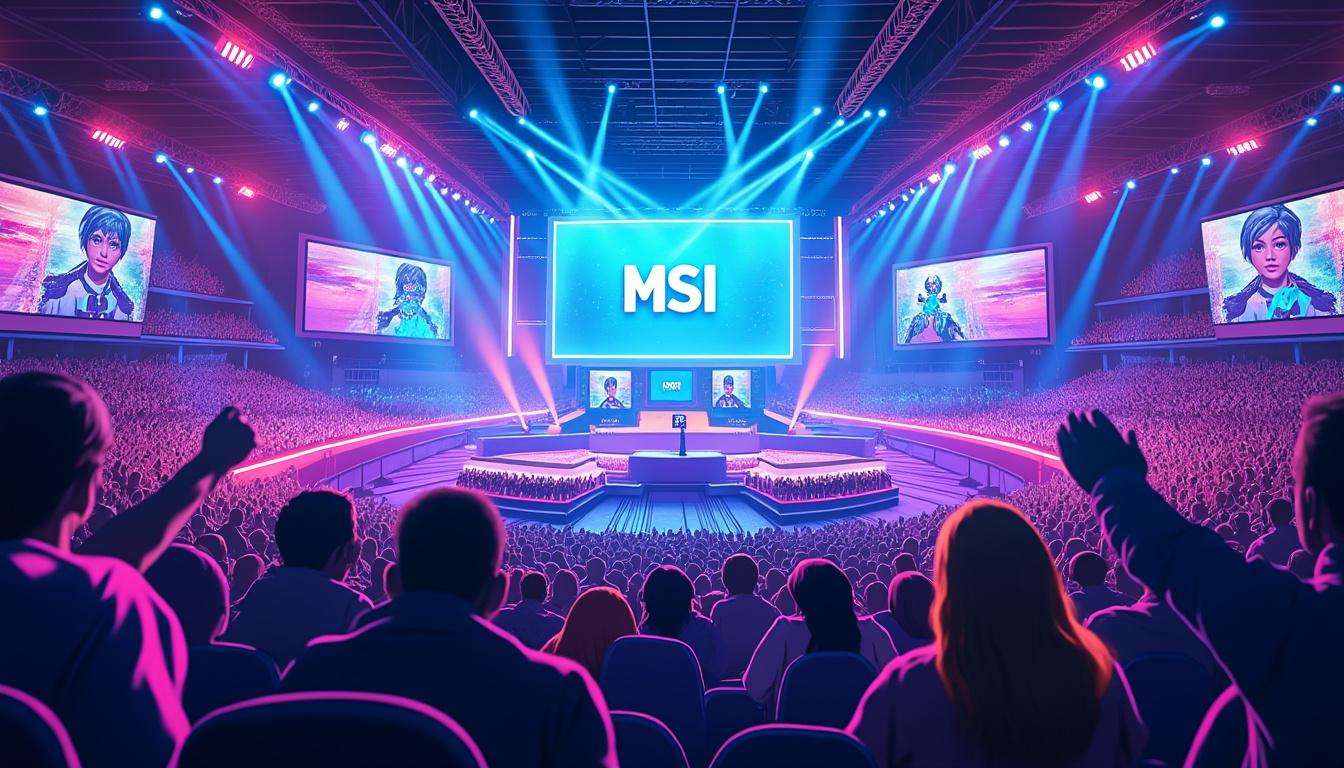
The League of Legends MSI 2026 tournament brings a new venue, a tuned format overhaul, and a tighter link to the global competitive calendar, turning this mid-season event into a real stress test for every region’s best lineups.
League of Legends MSI 2026 New Venue In Daejeon
League of Legends MSI 2026 heads to Daejeon, South Korea, with the tournament set at Daejeon Convention Center II. It runs from June 28 to July 12, right after First Stand and the second regional splits, which locks MSI as the central mid-season esports checkpoint.
This is the first major League of Legends event in Daejeon, which shifts attention away from Seoul and spreads Korea’s competitive gaming scene to another tech-heavy city. For teams, this means fresh travel routines, different practice setups, and a new fan atmosphere to adapt to.
MSI 2026 Schedule And Key Match Days
The MSI 2026 schedule splits into two clear phases so fans and analysts track every step of the tournament:
- Play-In Stage: June 28 to July 1
- Bracket Stage: July 3 to 6 and July 8 to 12
- Upper Final: July 9
- Lower Final: July 11
- Grand Final: July 12
For a player like the fictional mid laner Rae from the made-up team “Solar Edge,” this layout shapes practice blocks around specific pressure days. Scrim focus shifts from flexible drafts in Play-In to refined series prep once the main bracket starts.
MSI 2026 Format Overhaul And Tournament Structure
The format overhaul keeps the core identity of MSI but tightens the Play-In Stage. Riot Games keeps MSI at eleven teams, yet changes how one of those spots reaches the main bracket.
Two squads from each major region join the event, with CBLOL fielding one representative. This keeps MSI 2026 in line with the broader structural changes to League formats that aim for consistent international stakes all year.
MSI 2026 Play-In Stage: Four-Team Double Elimination
The biggest format overhaul hits the Play-In Stage. Only four teams appear here, locked in a double-elimination bracket, with a single ticket to the Bracket Stage on the line. One region walks away as a winner, three drop out before the main show.
The Play-In pool includes second seeds from lower-performing regions based on First Stand results plus one extra team slotted by regional ranking. This raises the floor for international play, because weaker regions face elimination before touching MSI’s main stage.
For teams like our fictional “Solar Edge,” this changes preparation logic. Instead of wide prep against multiple styles, Play-In prep narrows toward a few likely opponents, with high focus on:
- Strong blind picks that hold up across series
- Level-one setups aimed at snowballing best-of series
- Side selection strategies to punish enemy comfort picks
Every Play-In best-of becomes a stress test of early-game discipline and a read on the current League of Legends patch, tracked closely through tools like the evolving patch calendar.
MSI 2026 Bracket Stage: High-Stakes Main Event
The Bracket Stage keeps the double-elimination layout that worked in previous years, which rewards consistency while still giving room for one off-day. Seven teams start directly in this stage:
- First seeds from LCK, LPL, LEC, LCS, and LCP
- Second seeds from the two highest-performing regions at First Stand
- Play-In winner
This slot distribution rewards regions that perform early in the season. A strong First Stand run delivers two main-stage positions at MSI and a path to better seeding, which shapes how top orgs plan their full-year timeline of esports goals.
From an analyst point of view, the MSI 2026 bracket turns into a clash of refined team strategies that already survived a regional gauntlet. Series preparation involves longer scouting of lane matchups, favorite jungle routes, and macro habits such as how early teams contest second Herald or trade Dragons for towers.
Riot Games Competitive Vision And Global Event Context
Riot Games positions MSI 2026 as one of three core international pillars together with First Stand and Worlds. The tournament in Daejeon stands at the midpoint of the season, measuring how regions adapt to patches, meta swings, and roster moves since the start of the year.
Other tournaments like the events highlighted in coverage of the League of Legends esports cup ecosystem fill the gaps across the calendar. They keep the global event flow active and give developing players exposure before they hit MSI-level pressure.
Calendar, Patches And Meta For Competitive Gaming
MSI 2026 lands after multiple balance patches and small item adjustments, which means regions arrive with different reads of the meta. Some lean into fast skirmish comps, others favor scaling and late-game teamfights. The timing of patches before the event often decides which region enters as favorite.
For top teams, staff structure their training blocks around these dates. One block focuses on learning the patch, another on locking a narrow champion pool for the big stage. A final block simulates MSC-style series to harden mental stamina and communication.
By the time squads step on stage in Daejeon, the MSI 2026 tournament reflects months of theory work, scrim feedback, and internal debates about how far to push comfort picks versus meta trends.
Team Strategies At League Of Legends MSI 2026
The League of Legends MSI 2026 format rewards teams that read opponents well and adjust fast. The Play-In double elimination punishes one-dimensional drafts, while the main bracket tests long series resilience.
Our fictional squad “Solar Edge” faces choices that every real team faces during MSI. Drafts must balance pocket picks with meta champions. Coaching staffs decide when to reveal prepared strategies and when to keep tricks hidden for deeper rounds.
Drafting, Preparation And Adaptation
Teams that thrive at MSI share a few strategic traits across patches and seasons:
- Stable champion pools across at least two patches
- Clear early-game plans linked to jungle route and lane priority
- Prepared answers to the most popular global picks
- Side-select plans for both Blue and Red side drafts
Double elimination rewards squads that adapt mid-bracket. If a team drops to the lower side, they often return with changed priority picks, new level-one setups, and sharper focus on tempo around Dragon stacking or cross-map trades.
MSI 2026 also acts as a live showcase of regional identity. LCK teams often lean into precise macro and low-risk setups, LPL favors high-tempo fights, while Western regions experiment more with flex picks and pocket strategies.
Fan Experience And Ticket Waves For MSI 2026
The new venue in Daejeon shifts the fan experience to a fresh city with its own culture and infrastructure. The Daejeon Convention Center II hosts every MSI 2026 game, making travel planning easier for international visitors who want to follow the event from the first Play-In best-of to the Grand Final.
Tickets roll out in several waves through Interpark. Global fans need a passport for purchase, while local buyers require a Korean SSN. This split aims to keep access fair between traveling supporters and domestic audiences who follow competitive gaming up close.
Ticket Release Phases And Access
The ticket structure splits into global and domestic waves:
- Global Mastercard presale: April 21
- Global general sale: April 23
- South Korea general sale: May 21
This phased approach gives hardcore international fans early access, then opens wider to regional supporters. For many, MSI in Daejeon will be their first live League of Legends event, turning the arena into a meeting point for viewers who followed these teams online since their first regional weeks.
As MSI 2026 pushes forward with a new venue and a more focused format overhaul, it sets the stage for the rest of the year’s global event calendar and raises the stakes for every roster aiming for Worlds later in the season.