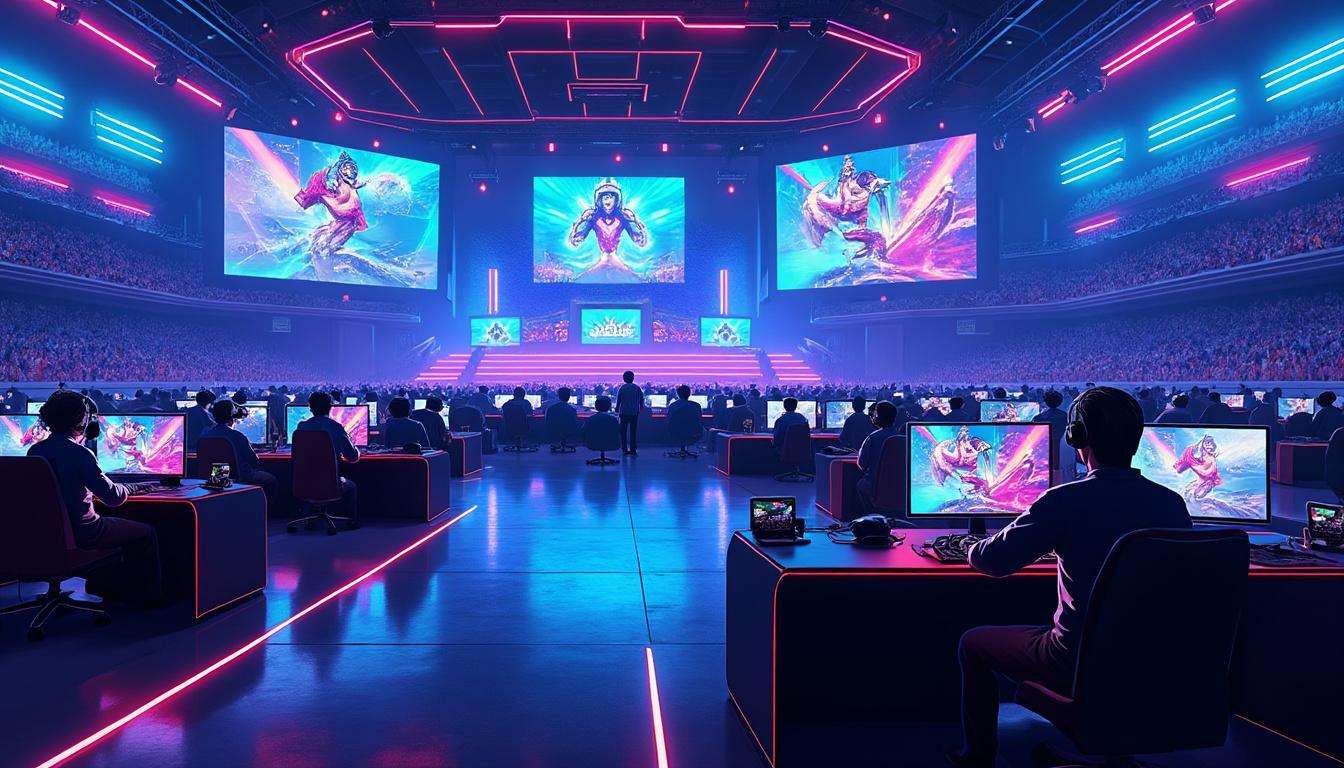
The new LoL Esports Season kicks off with a strong message: League of Legends competition is entering a new era focused on faster action, clearer formats, and stronger connection to the global gaming community. From regional leagues to international events, every level of competitive gaming gets an upgrade.
New Era For LoL Esports Season Structure
The 2026 LoL Esports calendar locks in earlier, which helps teams, partners, and fans plan the full Esports Season. Riot detailed starting dates, host cities, and format tweaks so viewers know exactly when each split and international event starts.
Regional leagues like the LCS, LEC, LCK, and LPL align more around clear stages that feed into each LoL Championship stop. The goal is simple: every week of the League of Legends season needs to matter for qualification and seeding, not only for a few super weeks at the end.
This structural shift builds on the ongoing overhauls to the League competitive ecosystem, where mid-tier and regional leagues get more defined paths to the global stage. Fans who follow a single region see a clearer story of how their teams climb into international contention.
LCS 2026 Updates And Regional Focus
The LCS returns with more matches and less downtime between key stages. The league introduces extra best-of series and tighter schedules to keep viewers locked into weekly narratives instead of long breaks that kill momentum.
A fresh focus on regional identity hits across LoL Esports. North America leans into rivalries with Latin America and Europe. Asia sharpens its internal battles, with LCK and LPL aiming to set the pace for the global LoL Championship race. This creates more cross-regional tension before international events even start.
On top of that, fans gain better tools to track schedules and patches. Community resources like this League of Legends patch calendar overview help predict how meta shifts line up with key series, which is crucial for serious viewers and analysts.
League Of Legends Season 1: For Demacia And Esports
The ranked Season kicks off alongside Season 1: For Demacia, with the live patch bringing major gameplay updates right as the Esports Season starts. This tight link between live balance and pro play keeps the game fresh for both solo queue grinders and stage veterans.
The Demacia-themed update introduces a refreshed Summoner’s Rift presentation and new skin lines that also shape the storylines for LoL Esports content pieces. The new cinematic sets the tone for this new era, using narrative and music to carry the competitive themes into every queue and broadcast.
For players who like to think long term, the early talk of a 2027 competitive revamp shows Riot is treating 2026 as a launchpad rather than an endpoint. The current season is step one in a multi-year plan for Esports Innovation and stability.
New Era Metagame And Pro-Level Impact
The new metagame leans into shorter, more decisive games. Objectives spawn timings and gold pacing reward coordinated teams that commit to early plays instead of stalling for 40 minutes. This fits the broadcast goal of delivering more action in less time.
Demacia-focused storytelling in client events and the “Demacia Rising” style systems give casual players a taste of history that pro casters reference on broadcast. When a Demacian champion takes over a match, viewers understand the theme and stakes without needing a lore deep dive.
Kicking Off International LoL Championship Events
The international calendar now uses clearer phases: regional Spring and Summer runs that feed into two global League of Legends events, with a final LoL Championship stage that settles the season’s best team. Every event has a defined purpose in the story.
Host cities are chosen with strong local gaming community support in mind. This means packed arenas and vibrant fan zones instead of empty seats. Riot continues its long partnership with premier animation and music studios to keep the pre-event hype at top level.
The link between music culture and competitive gaming also grows. An example is how artists reflect on Worlds and festival performances, like in this feature about a producer discussing League of Legends Worlds and Coachella 2026. These crossovers pull in new viewers who might start watching LoL Esports for the spectacle before staying for the strategy.
Storylines That Define The Esports Season
Every strong Esports Season needs teams and players that grab attention. Roster shifts across the major regions set up new rivalries, with some orgs going all-in on veteran cores and others betting on rookie talent.
Teams like CTBC Flying Oyster in the PCS scene show how regional contenders chase global relevance. See how their current roster evolves around key carry roles and how that approach aligns with the faster meta. Similar stories play out in every major league as orgs adapt to the new patch philosophy.
At the same time, some legendary squads face uncertainty. One detailed report on a star roster with a shaky future highlights how contract windows and buyouts keep reshaping the top of LoL Esports. Fans follow not only the matches, but also the business side of competitive gaming.
Esports Innovation Across Formats And Broadcast
Esports Innovation in this new era of League of Legends focuses on formats, production tools, and viewer access. Riot experiments with different best-of combinations in regional leagues to balance strategic depth and time commitment.
Broadcasts add more real-time data overlays that break down team gold differences, vision control, and pathing decisions in a simple way. The goal is to help new viewers enter LoL Esports without overwhelming them, while still giving veterans enough insight for deep analysis and content creation.
Future-facing discussions around titles like “League of Legends 2” surface regularly, with speculation about what a true sequel would mean and how it might affect pro play. For now, LoL Esports leans into steady evolution instead of a hard reset, using seasonal systems and visual upgrades inside the current client.
Connected Experiences With Other Riot Titles
The gaming community does not stay inside a single genre. Fighting game fans look at releases like the upcoming 2XKO, with schedule and ecosystem details discussed in pieces such as this look at the 2XKO release timeline. These projects share talent, tech, and production learnings across scenes.
There is also long-term talk of future League-related spin-offs, from different genres to possible sequel-style ideas covered in articles on potential League of Legends 2 release paths. Every experiment feeds back into broadcast innovation, audience onboarding, and cross-title events.
This ecosystem-wide approach turns LoL Esports into a centerpiece of a larger Riot universe, where competitive gaming connects music, animation, and new titles.
How The Gaming Community Engages With The New Era
The gaming community around League of Legends has shifted from pure spectator culture to active participation. Fans run fantasy leagues, analytics channels, and regional podcasts that follow the entire Esports Season. Each new feature in the client or broadcast tools adds fuel to this content ecosystem.
Smaller regional leagues and ERLs still face challenges, including withdrawals or restructures, as seen in reports about moves like the Los Ratones ERL withdrawal. These events highlight the tension between grassroots scenes and top-heavy competition, an issue every major esport must address.
At the same time, tools for co-streaming and community tournaments help fill gaps. Streamers react live to big LoL Championship moments while local clubs host viewing parties tied to their own in-house events. The line between fan and competitor keeps getting thinner.
Practical Ways To Follow The 2026 LoL Esports Season
With so much Esports Innovation and so many leagues, new fans need simple habits to follow the action without burning out. A basic plan helps keep things manageable.
- Pick one primary region to follow live and one secondary region to catch via highlights.
- Track the official patch cycle alongside a trusted League of Legends patch calendar to see how balance shifts before key series.
- Watch international LoL Championship stages live, then use VODs for deeper analysis or favorite matchups.
- Follow two or three content creators or analysts for meta breakdowns and roster news.
- Join a local or online gaming community server focused on your main region to discuss drafts and series predictions.
These simple steps turn a massive Esports Season into a clear, personal routine that fits around ranked grind or other games.