
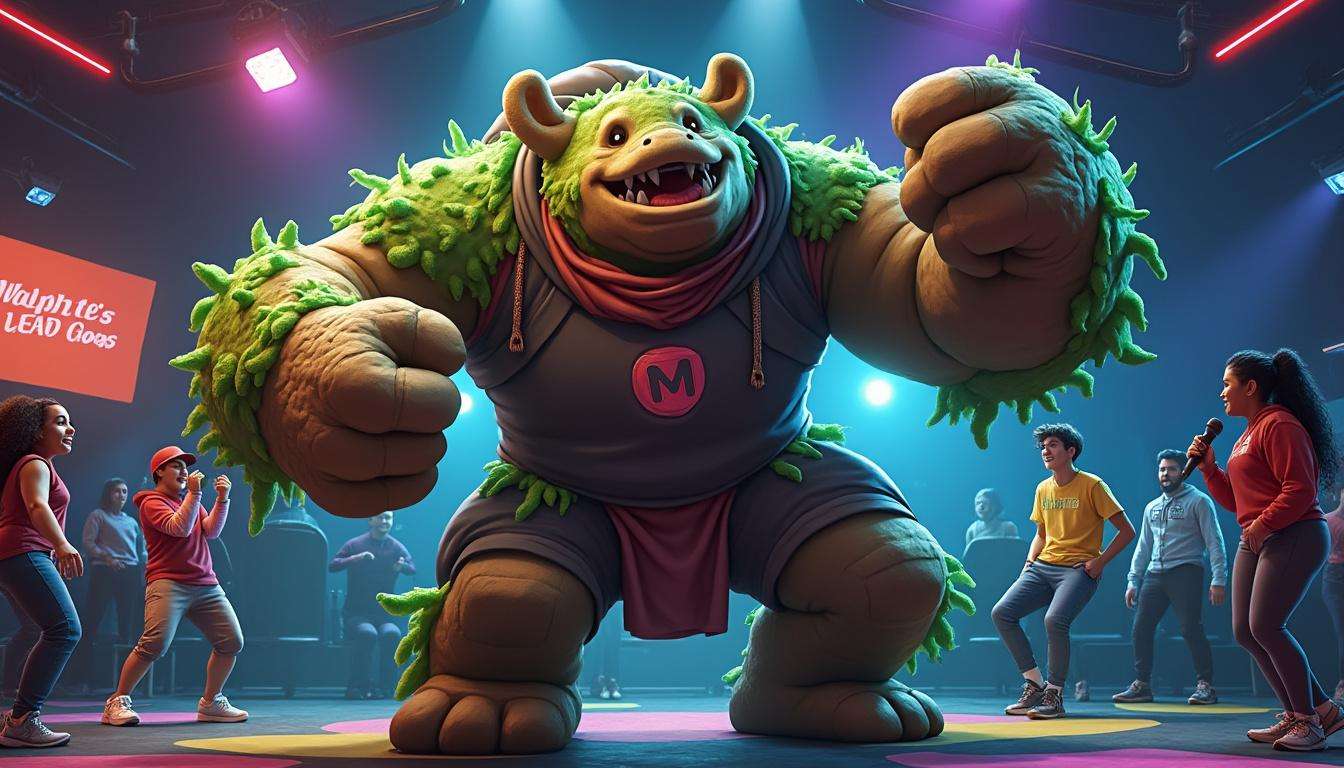
Taking Dance Lessons from a viral League of Legends Malphite streamer sounds like a meme. For many players it turned into an unexpected journey into movement, confidence, and a new way to enjoy gaming.
Viral League Of Legends Malphite Dance Lessons
For non-League players, Malphite looks like a giant walking rock. In-game he is a tank, a top lane wall, sometimes a surprise support that deletes your team with one ultimate. For the viral League of Legends streamer PlainSundaee, Malphite is more than a champion. Malphite is a whole dance identity.
His short clips exploded on Instagram and TikTok. The mix of precise Malphite movement, comedy timing, and clean editing turned a niche MOBA reference into viral content that felt readable even to casual viewers. One Malphite run in a park reached hundreds of thousands of views in minutes, then hit millions in under an hour. That single video turned simple Dance Lessons content into a meme inside and outside the LoL community.
How A Malphite Streamer Built A Viral Dance Identity
The Malphite streamer started with regular League gameplay and Pantheon highlight clips built around the catchphrase “strike without warning.” Viewers liked the commitment to roleplay, the voice, and the way each moment felt like a mini skit instead of a standard ranked montage. The Malphite run outside shifted everything.
Comments requested the Malphite dance emote, the ultimate, and full in-character sequences. Each request became a new short. The audience did not want random content. They wanted a consistent Malphite dance universe. Instead of running from the meme, he went all in and accepted the label people gave him: the Malphite guy.
This is a clear example of how a focused identity helps a streamer stand out in a saturated gaming and esports space. When fans search his name, they see “Malphite” attached to it. That association drives recognition and makes collaborations easier.
Clips like these blur the line between traditional Tutorial content and pure entertainment. Viewers learn the moves by watching, without a formal lesson structure.
Dance Lessons From A League Of Legends Malphite Main
Behind the comedic stone-face, there is structured dance knowledge. The streamer has a background in theater and street styles like Krump and animation. That matters. He does not randomly wiggle on camera. He breaks down how a character would move, then rebuilds it for video.
To translate an emote into high-impact Dance Lessons, he mixes accurate copying with exaggerated motion. If he copied Malphite 1:1, it would look stiff and unreadable on a human body. So he adds groove, weight shifts, and timing tweaks that keep the reference clear but watchable.
Practical Malphite Dance Tips For Your Next Gaming Session
Many viewers try to copy the Malphite dance at home or in front of stream. A few simple rules help:
- Focus on weight: Think like a massive rock. Lower your center of gravity and keep knees bent.
- Emphasize side-to-side: The Malphite dance is wide and grounded, not light and bouncy.
- Keep arms structured: Use clear, blocky arm paths instead of soft curves.
- Match the beat: Lock your steps to the music or emote rhythm for a clean loop.
- Commit to the face: A serious expression sells the joke better than forced laughter.
If you stream, turning these moves into a mini Tutorial sequence creates quick, replayable segments that fit TikTok, Shorts, and Reels. Each short Malphite step can anchor a running meme across your channel.
These types of videos show how to translate in-game emotes from other champions too, which keeps your Dance Lessons content flexible and fresh.
An Unexpected Journey From Gaming Meme To Real-Life Connection
The story around this viral Malphite streamer stays grounded in real life. A running joke about “dance moves to survive the club” turned into something personal. Using Gragas sways, Vel’Koz tentacle arms, and a sneaky Malphite groove, he met his partner in a club environment where most people do not know League.
She did not play the game, yet she noticed the confidence behind the moves and the fact he looked like he enjoyed himself. That was enough to start a conversation. The LoL reference almost did not matter. This is the core of this unexpected journey: game-inspired Dance Lessons turning into a bridge between online and offline social life.
From Esports Culture To Everyday Dance
Esports communities often feel separate from real-world spaces. Here, the League of Legends vibe leaks into clubs, parks, and daily walks. Viewers recognize the Malphite stomp in public. Friends copy the “strike without warning” timing when they approach each other. Even pro teams engage.
LCS team FlyQuest invited the streamer to rate their own Malphite dance and replied with Von Dutch merch. That short exchange shows how esports brands now use meme-heavy League of Legends content as part of their identity, next to official match recaps. It turns interactions into playful gestures rather than one-way marketing.
Readers who want a wider view of how this fits the current competitive scene can look at articles like this breakdown of the game landscape, which shows how personality-driven creators now sit next to pro players in audience attention.
Turning League Dance Tutorials Into Streamer Growth
From a content strategy angle, these Malphite Dance Lessons work because they are simple, repeatable, and easy to remix. The core moves stay the same, while the context changes: park, club, stage, cosplay event, or stream room. Viewers know what to expect, yet the setting gives each clip a new hook.
Streaming platforms reward this kind of focused identity. When a user sees one Malphite dance clip on their feed, the algorithm suggests more from the same creator. Channels built around one clear anchor tend to grow faster than those with disconnected ideas. Here, the anchor is strong: Malphite, “strike without warning,” and high-quality League of Legends dance references.
Why Viral League Dance Lessons Resonate With Players
League has a reputation for toxicity and heavy grind. Viral Dance Lessons content flips that mood. Instead of screenshots of flame in chat, you get a rock man bouncing to bbno$, or Corporate Mundo doing an American Psycho routine. It re-centers the game around joy, roleplay, and shared jokes.
Short-form videos also lower the barrier for new fans. You do not need to know ranked meta, item builds, or balance changes. You only need to understand that this huge stone creature moving side-to-side looks funny when a human mirrors it with perfect timing. That accessibility helps League stay visible outside pure esports coverage.
Readers curious about how new champions and creative trends feed this culture can check analysis pieces such as the Riftbound champion spotlight, which ties character design to community content and memes.
How To Start Your Own League Of Legends Dance Journey
You do not need a theater background to start. What helps is a simple process and a clear link between game and movement. Pick one champion identity, study their idle animations and emotes, then translate them into real-world motions with exaggerated clarity. That makes your Tutorial content easy to follow.
Start with three steps: choose a champion, pick a signature move, and plan one short video around that move. Repetition builds a theme. Over time, your audience will tag you as “the X champion dance person,” like this Malphite streamer. That label becomes a shortcut for recognition across platforms, events, and collaborations in the wider gaming and esports ecosystem.