

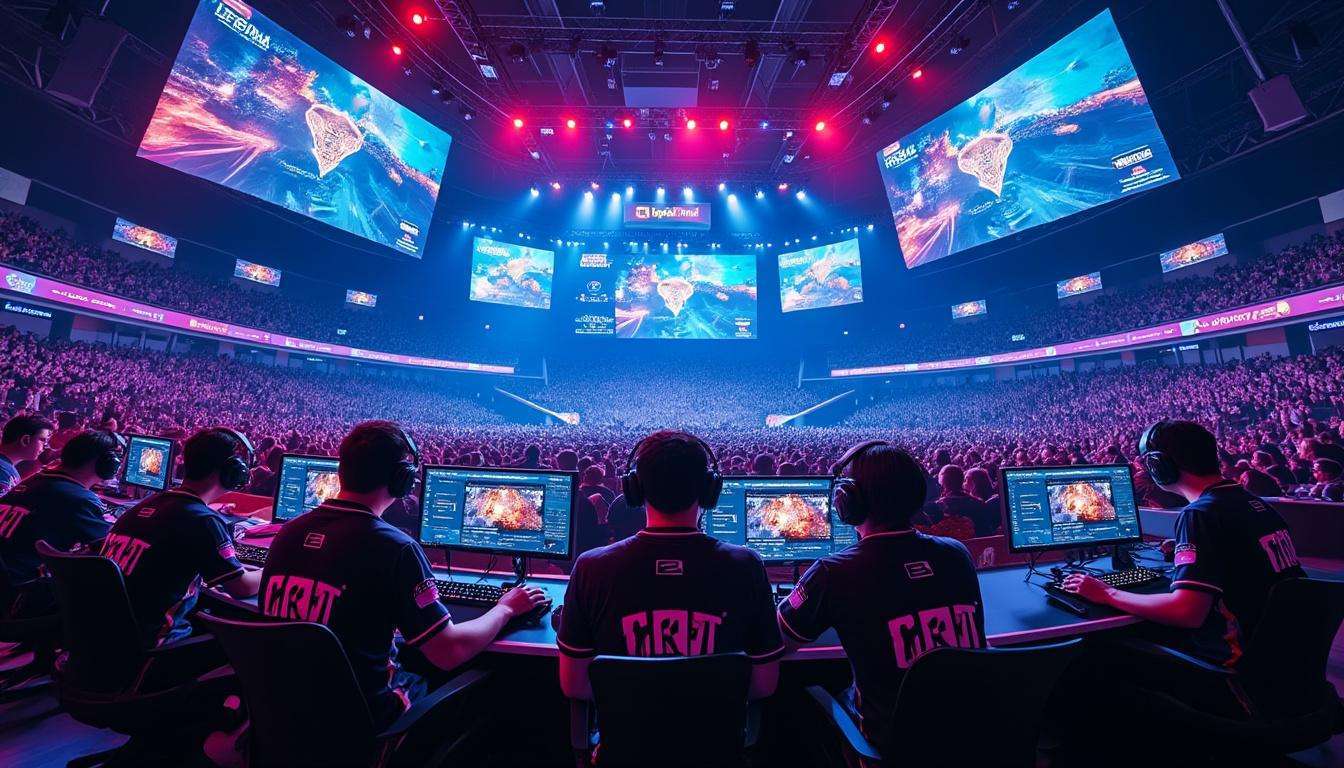
The thrilling world of League of Legends Esports sits at the top of competitive gaming. It blends strategy, mechanical skill, and team coordination into one of the most watched multiplayer shows on the planet.
The Thrilling World Of League Of Legends Esports Explained
League of Legends Esports started in small studios and grew into global championships in sold out arenas. Fans follow regional tournaments, superteams, and iconic rivalries like traditional sports.
Today, the pro scene connects weekly leagues, international events, and nonstop streaming. A single split can decide careers, sponsor deals, and spots at Worlds, which turns the game into a worldwide celebration of gaming.
How League Of Legends Esports Competition Works
At its core, League of Legends is a 5v5 multiplayer game where two teams fight to destroy the enemy Nexus. Each player locks a unique champion and fills a role such as top, jungle, mid, bot, or support. Every decision in lane, in the jungle, and around objectives flows into a larger strategy.
Professional Esports leagues use seasonal formats. Regional leagues award points, prize money, and slots at international tournaments like MSI and Worlds. Each match is a test of draft preparation, synergy, and mental strength.
For a deeper look at formats and major events, coverage such as the League of Legends Esports championship overview breaks down how teams reach the top level of competition.
Key Regions, Teams, And Rivalries In LOL Esports
Modern League of Legends Esports stands on its regional circuits. LCK, LPL, LEC, LCS and other leagues push different playstyles, from slow scaling strategy to relentless early aggression. Each region sends its best teams to international tournaments.
Rivalries form the emotional backbone of the scene. Classic clashes between top Korean squads or the constant EU vs NA debates keep gaming discussions alive for months. Every split adds new storylines.
Star Players And Esports Legends
League of Legends Esports produced global stars who define eras. Some players stay loyal to one club, while others switch teams to chase new championships. Fans track every roster shuffle and performance swing.
Articles such as the profile on Faker and his Esports future show how one mid laner shaped competitive history. Similar features on players like Rekkles, including his thoughts in this interview about Esports and streaming, reveal how careers evolve across regions and seasons.
League Of Legends Tournaments And Championships
Every year follows the same rhythm. Regional splits lead to playoffs, then to international tournaments. The championships crown the most complete roster in terms of macro strategy, individual form, and adaptation across patches.
Events like Worlds act as a time capsule. Looking back at coverage such as the 15 years of League of Legends Esports retrospective shows how stage design, production, and meta trends evolved from small studios to stadium shows.
Why League Of Legends Championships Feel So Intense
High stakes define every best of series. One draft mistake, a failed Baron call, or a split-second misplay can flip an entire tournament. Players handle pressure in front of tens of thousands offline and millions connected through global streaming platforms.
The biggest events reward more than prize pools. They deliver legacy. When a roster lifts the trophy, they join a shortlist of teams that shaped competitive gaming. That sense of history keeps fans invested year after year.
Award shows also highlight this legacy. Lists such as the Esports Awards 2025 winners recap honor coaches, organizations, and players who defined each season.
League Of Legends Esports Strategy And In-Game Depth
Behind every highlight play sits a deep layer of strategy. Pro teams spend hours in review sessions breaking down lane matchups, jungle pathing, and objective setups. Coaches and analysts design clear game plans for each opponent.
A typical game flows from laning phase to objective control to late game teamfights. Drafts shape everything. If one side locks strong engage champions, the other side needs peel, kiting, or split push pressure to respond. Every pick tells a story about how a team wants to win.
How Teams Prepare For High-Level Competition
Scrims are the daily lab of League of Legends Esports. Squads play against other pro rosters on internal servers, then move to VOD reviews. Coaches pause crucial moments, ask for player thoughts, and refine the next version of the game plan.
Across a full tournament run, adaptation separates champions from pretenders. The meta shifts with each patch, so teams who read trends early gain a strong edge. Series wins often come from flex picks, surprise strategies, or better understanding of tempo windows.
Esports Season Structure And Ongoing Competition
The LOL Esports season feels like a marathon built from many sprints. Each split includes regular season matches into playoffs, plus break periods for roster changes, bootcamps, and new patch practice.
Guides such as the LoL Esports season breakdown explain scheduling across regions. Fans use these details to plan which tournaments to follow and which storylines to track live on streaming platforms.
How A Fictional Team Climbs The Esports Ladder
Take a fictional roster called Silver Rift. The players start in a regional open tournament, qualify into a minor league, then grind through a full split. After reaching playoffs, they upset a favorite and secure a spot in a major league.
Across two years, Silver Rift focuses on disciplined strategy, solid macro, and strong mental training. They earn a spot at an international event, face world class teams, and turn into an example for new fans who follow their rise from early gaming days to elite competition.
The Fan Experience: Streaming, Content, And Music
The League of Legends fan journey happens online and offline. Viewers watch live matches through official streaming channels, co-streams, or watch parties. Replays, highlights, and analysis shows fill the rest of the week.
Music and visual productions add a unique flavor to Esports. Theme songs, opening ceremonies, and animated videos support each championship. Coverage such as the feature on music in League of Legends Esports dives into how soundtracks shape the emotions of the scene.
Essential Ways To Follow League Of Legends Esports
New fans often look for a clear entry point into this dynamic gaming scene. A simple routine helps you stay connected without feeling overloaded by constant competition and content drops.
- Watch one regional league regularly to learn its teams and rivalries.
- Follow highlight channels for fast recaps of major tournaments.
- Use official streaming schedules to catch key championship matches live.
- Read seasonal overviews such as top Esports events lists to track important dates.
- Explore deeper articles like this look at the dynamic world of League of Legends Esports for context on history and meta shifts.
With this routine in place, the large schedule of League of Legends Esports turns into a clear and enjoyable rhythm.
Business, Sponsorships, And Esports Growth
The success of League of Legends Esports also comes from smart structure and partnerships. Organizations invest in training facilities, analysts, sports psychologists, and content teams to build strong brands beyond the game itself.
On the publisher side, Riot works with sponsors and media partners to scale production quality and reach. Analyses such as the piece on Riot LoL Esports sponsorship show how deals with big brands support events, player salaries, and regional leagues.
Why League Of Legends Still Leads Global Esports
Consistency explains a lot of the success. Structured leagues, clear tournament paths, and long-term investment from teams and sponsors keep the scene stable. Fans know when and where the next big competition happens.
Editorial coverage such as this deep dive into the thrilling world of League of Legends Esports and its follow-up battle for glory feature highlight why this title still sits at the center of global gaming conversations.