
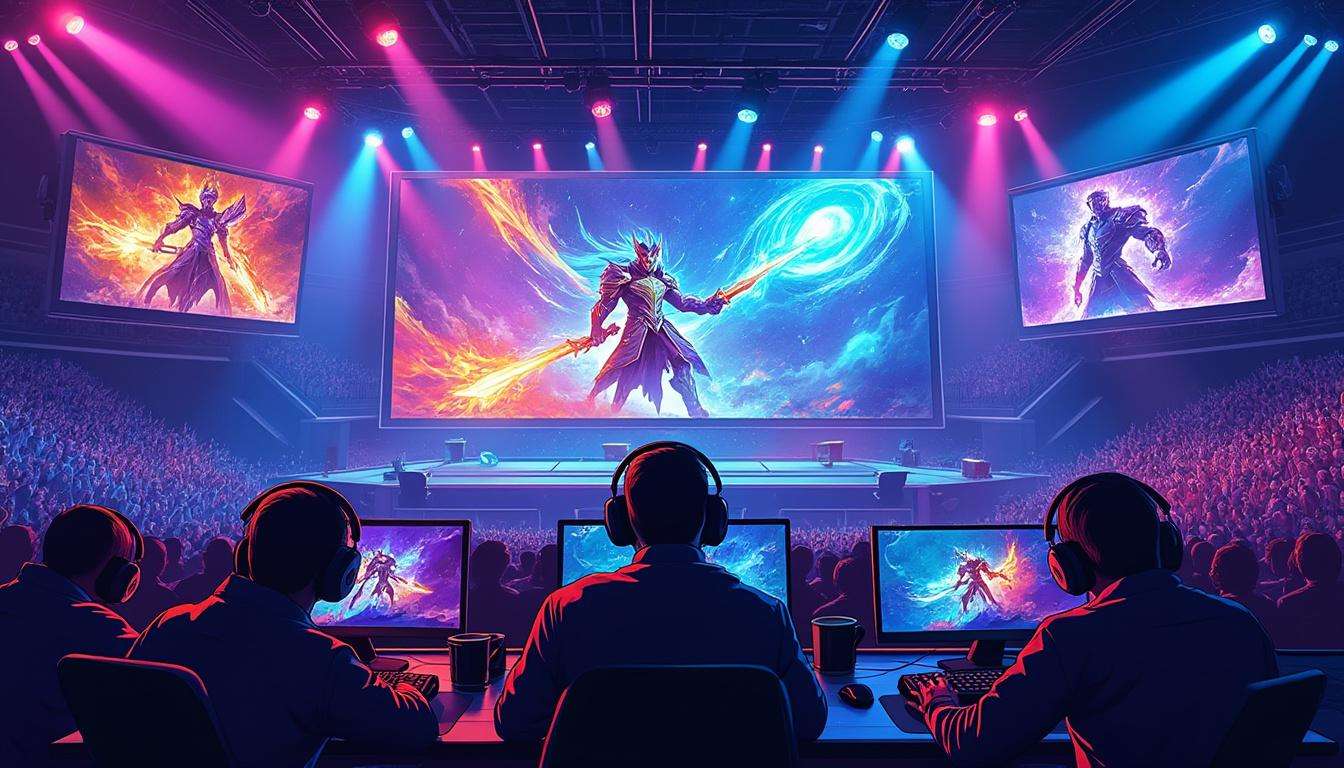
The thrilling world of League of Legends Esports mixes precise strategy, sharp teamwork, and global competitive gaming. Players, staff, and fans build a scene where every map, objective, and decision matters.
League Of Legends Esports And The Global Esports Scene
League of Legends started as a free-to-play online Multiplayer MOBA and turned into one of the central pillars of modern Esports. Regional leagues in Asia, Europe, North America, and other areas feed into international tournaments with huge audiences.
The 15-year anniversary of LoL Esports highlighted how the game grew from studio events to sold-out arenas. A detailed look at this journey appears in resources like this anniversary overview of League of Legends esports, which underlines how early grassroots events shaped the current structure.
Why League Of Legends Esports Stands Out
Several factors keep League of Legends Esports at the top of competitive gaming. The core MOBA design rewards deep strategy, mechanical skill, and long-term planning across a match and across a season.
Riot Games supports regular balance updates, new champions, and structured leagues, which prevents the scene from feeling static. Articles such as this breakdown of the thrilling world of League of Legends esports show how constant evolution keeps players and viewers engaged.
Core Strategy And Teamwork In League Of Legends Esports
Every match of League of Legends at the professional level turns on strategy and coordinated teamwork. Teams prepare for specific drafts, lane matchups, and objective timings across the map.
On Summoner’s Rift, five specialized roles build a clear identity. Top, jungle, mid, bot, and support all serve different functions, which makes communication and shared game plans essential.
How Pro Teams Build Winning Strategies
Top teams design detailed playbooks around early-game pressure, vision control, and objective trades. Staff analysts break down opponent habits, like preferred champions or lane patterns, then shape draft strategies around them.
For example, a team with a strong jungler often prepares paths focused on early skirmishes around mid and bot. This pressure sets up early dragons and dictates the pace of the match, which often leads to better side lane control later.
Communication And Synergy On Stage
High-tier teamwork depends on clear and short calls. In League of Legends Esports, shotcallers lead rotations while every player shares cooldowns, enemy positions, and objective status.
Squads that review voice comms and match replays together usually develop stronger instincts. Over time, players anticipate each other’s moves so engages, disengages, and teleports hit at the same second, which often decides teamfights.
Champions, Roles, And The MOBA Depth
The MOBA design of League of Legends offers a wide pool of champions with different kits and identities. This depth keeps the Esports meta fresh, since patches and pro innovations shift the best picks across patches.
Understanding roles and hero pools helps viewers follow drafts and analyze why specific picks appear in key tournaments. It also helps new fans appreciate how much work pros put into champion mastery.
Role Specialization In League Of Legends Esports
Each position in League of Legends Esports leans into different win conditions. Top laners often anchor side lanes, junglers control tempo, mid players direct pressure, bot carries output sustained damage, and supports enable vision and engages.
In modern competitive gaming, teams usually draft around two or three main damage threats. Supports and tanks peel, zone, or initiate so those threats stay alive long enough to win fights.
Meta Shifts And Champion Priorities
Patch cycles influence which champions see priority at each position. Certain updates emphasize early-game aggression, while others reward scaling choices with late-game teamfight power.
Analyses like this look at the thriving world of League of Legends esports often track how these shifts affect international events and regional strengths, which helps fans predict which teams adapt faster.
Tournaments, Worlds, And The Esports Calendar
The peak of the League of Legends Esports season arrives at the World Championship, often called Worlds. This global tournament gathers top seeds from regional leagues into group stages, brackets, and a final staged in a major arena.
Across the year, leagues like LCK, LPL, LEC, and LCS feed into international events, while secondary leagues train new talent. A structured calendar keeps storylines consistent across seasons and across different regions.
Worlds, MSI, And Other Major Events
Worlds crowns the yearly champion of League of Legends Esports, while the Mid-Season Invitational features top regional teams earlier in the year. MSI often previews which regions hold strategic advantages ahead of Worlds.
For those who want precise distinctions between these events, resources like this guide on MSI and Worlds in League of Legends esports explain formats, stakes, and how placements affect regional prestige.
Regional Leagues, Partnerships, And Club Stories
Regional leagues tell their own stories through rivalries, upsets, and long-running organizations. Partnerships between clubs and traditional sports brands strengthen Esports visibility and long-term investment.
One example comes from the extension of the PSG and Talon alliance in Asia, highlighted in this report on PSG Esports and Talon. Moves like this show how football clubs, basketball franchises, and entertainment groups take competitive gaming seriously as part of their global strategy.
How Streams And Content Drive League Of Legends Esports
Streaming platforms give fans direct access to pro matches, player perspectives, and practice sessions. Official streams cover tournaments with professional production, while personal channels share behind-the-scenes experiences.
Many fans discover League of Legends Esports through highlight reels, watch parties, and co-streams from established creators. This constant flow of content keeps the community active between major events.
Official Broadcasts And Co-Streaming
Riot-controlled broadcasts deliver structured analysis, desk segments, and high production value across multiple languages. They balance educational commentary with hype moments so both new and veteran viewers stay engaged.
Third-party co-streams, where experienced players watch and comment live, offer more informal takes. Coverage like this exploration of the dynamic world of League of Legends esports often highlights how co-streaming trends affect viewership numbers and fan culture.
Player Brands And Social Media Presence
Professional players maintain social media and live streams to grow personal brands. Scrim highlights, solo queue sessions, and Q&A sessions give fans insight into the work behind stage performances.
Strong audience connections through content often lead to higher merch sales, stronger sponsor interest, and better stability for both players and organizations, which loops back into higher-quality Esports experiences.
Key Skills For Future League Of Legends Esports Players
Rising players who want to enter League of Legends Esports need more than raw mechanics. Consistent improvement, emotional control, and smart practice habits matter as much as outplays in ranked matches.
Teams scout for players who show strong strategy understanding, clear communication patterns, and an ability to adapt across patches and metas.
From Ranked To Competitive Gaming
Most pros begin in solo queue, then move into amateur leagues, academy rosters, and regional competitions. Along this path, they learn to translate personal skill into coordinated teamwork and disciplined practice schedules.
Career paths described in articles like this overview of the dynamic world of League of Legends esports show how players refine their approach to scrims, VOD reviews, and goal setting.
Practical Skills Every Aspiring Pro Needs
To stay competitive, players train their mind, body, and communication habits. Daily routines often mix ranked games, scrims, gym time, review sessions, and mental coaching.
- Mechanical skill in League of Legends: last-hitting, ability usage, and spacing in fights.
- Game sense: wave management, objective timing, and path tracking.
- Teamwork: clear calls, listening, and accepting feedback.
- Emotional control: handling losses, public pressure, and social media.
- Professional habits: sleep, nutrition, and long-term physical health.
Players who treat these skills as part of their job tend to last longer in Esports and adapt better to meta changes and roster shifts.
Stories, Awards, And The Culture Around LoL Esports
League of Legends Esports also tells long-running stories involving dynasties, rivalries, and surprise underdogs. These narratives help fans connect with teams beyond scores and standings.
Organizations like 100 Thieves or long-standing Korean and Chinese teams build identities through rosters, branding, and content series that follow players through wins and losses.
Iconic Teams And Underdog Runs
Certain squads gather loyal fanbases through bold playstyles or story arcs. Upsets where rookies dethrone favorites often become highlight reels shared for years across streams and social platforms.
Stories of organizations such as 100 Thieves are explored in features like this deep dive into the journey of 100 Thieves in League of Legends esports, which traces how branding, smart recruitment, and content focus helped them stand out.
Awards, Recognition, And Cross-Media Presence
The wider Esports ecosystem includes awards nights and industry events that recognize standout players, coaches, and productions. This recap of the Esports Awards 2025 winners showcases how League of Legends often features across multiple categories.
Music collaborations, animated videos, and crossovers with other games and media also help League of Legends Esports reach audiences that might not follow every match. These projects reinforce the scene as both a sport and a cultural touchpoint.
The Future Of League Of Legends Esports And Competitive Gaming
The future of League of Legends Esports points toward deeper integration with global sports, more local events, and expanding youth systems. New training facilities and digital tools support better coaching, health, and fan engagement.
Speculation about future events, such as those covered in this prediction piece on a potential League of Legends Esports World Cup, reflects how the community expects the game to remain at the center of competitive gaming for years.
Why The Thrilling World Of League Of Legends Esports Keeps Growing
The mix of complex strategy, fast-paced Multiplayer action, polished broadcasts, and strong storytelling keeps the audience growing. New fans join through streams, friends, or casual play, then stay to follow tournaments and favorite champions.
Anyone interested in this scene finds helpful overviews such as this guide to the thrilling world of League of Legends esports and this exploration of its dynamic evolution. Together, these resources show why this MOBA continues to define what modern Esports looks like across regions and generations.