

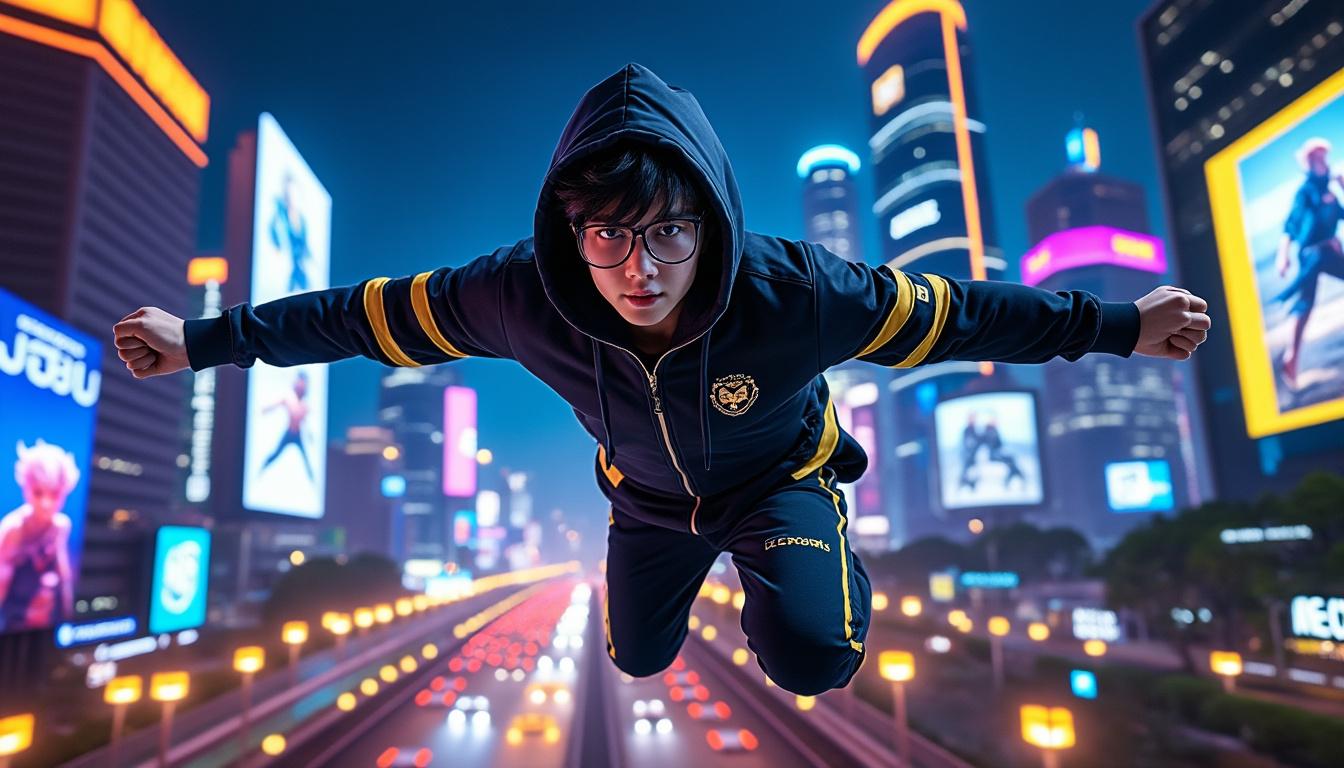
Faker has reached another milestone in Esports history. South Korea will release a commemorative stamp with the face of the League of Legends icon in October, making him the first esports athlete to receive this kind of national tribute in the country. For a professional gamer, this is more than a collectible. It is clear proof of wider esports recognition in Korean culture.
Faker Stamp Makes Esports History
Faker is already the biggest name in League of Legends, but this new honor puts him in a different category. Korean commemorative stamps have usually highlighted presidents, independence figures, Olympic stars, and major national moments. Now a gaming legend joins that list.
This matters because a postage stamp is a state-backed cultural symbol. It shows how far competitive gaming has moved from niche entertainment to public recognition. For any video game athlete, this is one of the strongest signs that the industry now holds lasting social value.
Why Faker Stands Above Every Other League Of Legends Star
Faker started his pro run in 2013, and he made an impact at once. In his first event, he produced 36% of SKT’s kills and posted 133 kills in 20 matches. The team finished third, yet the message was obvious. A new elite mid laner had arrived.
Months later, he won Champions Summer. Soon after, he claimed his first World Championship. Since then, the League of Legends star has built a career with six World Championship titles, major domestic success, and rare longevity at the top level. That record is why many fans place him above every other professional gamer in the scene.
This is also why the stamp feels earned, not symbolic for its own sake. Korean officials did not pick a random popular player. They picked the face of Esports.
His status has been visible in other areas too, from brand deals to fan culture. The recent Razer Faith Faker Worlds story showed how his image still carries weight far beyond the server. That commercial pull adds another layer to his national profile.
League Of Legends Recognition In Korea
The stamp does not stand alone. It follows Faker receiving the Blue Dragon Medal, the top grade in South Korea’s sports merit system. That award already pushed esports recognition into the national spotlight. The stamp extends that message into everyday public life.
Why does this land so hard? Because stamps are not built for short headlines. They mark people and events a country wants to archive. When a Korean athlete from League of Legends earns that space, the state is saying his legacy belongs in national memory.
What Makes This Faker Honor Different
Many awards celebrate winning. This tribute celebrates public meaning. That is a bigger step. A trophy speaks to fans and rivals. A national stamp speaks to the whole country, including people who do not follow League of Legends or competitive gaming.
There is also a public review period of 20 days before the issue moves forward. In practice, few expect resistance. Faker is one of the rare esports figures with broad respect across generations. He is not only a champion. He has become a Korean cultural figure.
This shift helps the full scene. When one video game athlete reaches this level, every team, player, and event benefits from stronger legitimacy.
- First esports athlete featured on a Korean commemorative stamp
- Six-time World Champion in League of Legends
- Started his career in 2013 and stayed elite for over a decade
- Already honored with South Korea’s Blue Dragon Medal
- Represents a major leap for esports recognition in mainstream culture
For readers tracking the wider scene, this comes during an era where the ecosystem keeps expanding, as seen across top esports trends and the latest shifts in League of Legends esports. Faker remains the center point in many of those conversations.
Faker Legacy Beyond League Of Legends
There is a reason this story reaches beyond the game client. Faker is not only a dominant mid laner. He is the model of a long-term professional gamer career. Skill launched him, but discipline kept him at the top.
His title count alone is hard to match, yet the deeper achievement is durability. Most stars burn bright for two or three years. Faker stayed relevant through meta changes, roster moves, new generations of talent, and rising pressure. That separates a champion from a gaming legend.
Why Collectors And Fans Will Watch The Stamp Release
The stamp will attract two groups at once. First, fans of League of Legends and Esports will want a piece of history. Second, stamp collectors will spot a cultural first with long-term value. When both groups chase the same release, demand often rises fast.
Timing also matters. The release is planned for October, close to a packed stretch in the global calendar. With the LCK season, MSI, the Esports World Cup, and the World Championship in focus, Faker will remain under a bright spotlight. If T1 keeps winning, interest in this item should rise even more.
That link between performance and memorabilia is common in sports. It works in competitive gaming too. A historic object tied to an active champion often becomes more desirable over time.
T1’s recent momentum adds context here. Coverage around T1 reaching Worlds and interest in T1 Worlds skins showed how closely fans track every major Faker-related release. A stamp tied to a national first sits on an even higher tier.
Esports Recognition Starts With One Face
Every traditional sport had a point where public institutions started to treat its stars as national figures. South Korea has now crossed that line with Faker. This is not only a tribute to one Korean athlete. It is a statement about the status of Esports.
Could another player have opened this door? The record says no. The six world titles, the years at the top, the impact on League of Legends, and the respect across Korea make the choice obvious. This is what Esports history looks like when it enters national culture.
For fans, the message is simple. The greatest video game athlete of his era is now part of Korea’s official public legacy. That is bigger than one stamp sheet. It marks a shift in how a whole country sees professional gaming.